

Crack monitoring: monitor cracks in structures wirelessly
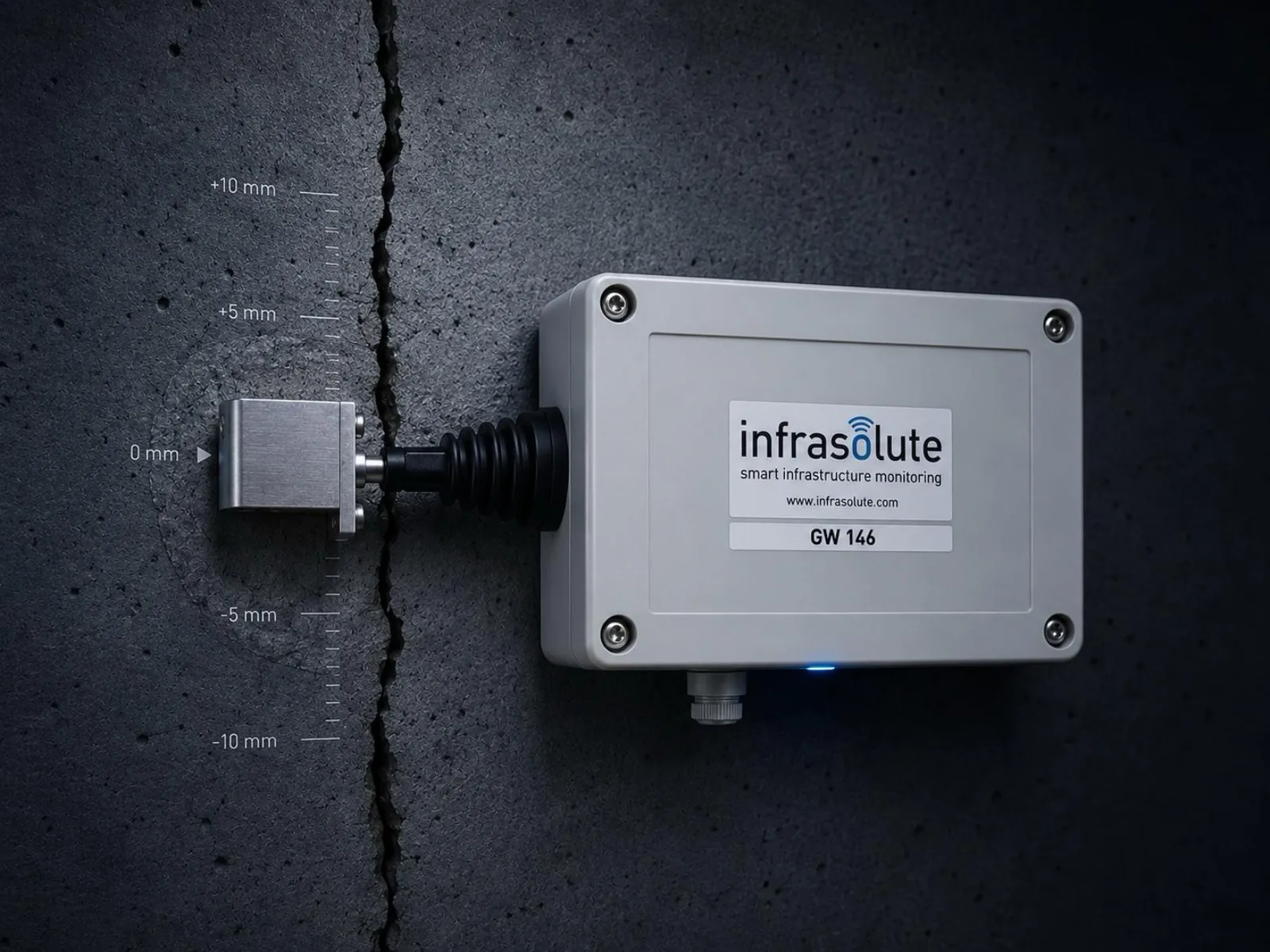
Continuous crack monitoring with wireless sensors: you detect crack width changes from 0.003 mm, are alerted immediately at thresholds and keep track of the condition of your structures at all times.
Your benefits
What crack monitoring delivers in operation
A crack is rarely harmless and rarely static. Continuous monitoring shows whether it is dormant or active, before it becomes a structural problem.
Request a quoteEarly warning instead of a damage pattern
You see how a crack develops before a hairline crack becomes a structural problem. Automatic alerting when a threshold is exceeded gives you time to react in a targeted way.
Installed without running cables
The sensors transmit via NB-IoT and can be fitted by your own team. No cabling, no scaffolding just for the measuring equipment, no recurring on-site readings.
Reusable and economical
Using the mounting plate, you remove the sensor and reinstall it at the next structure. This significantly reduces the cost per measuring point compared with permanently installed technology.
Data from anywhere
All readings flow into the cloud-based Infrasolute software. Crack width and temperature are displayed graphically, stored as history and available at any time.
How it works
How the crack monitoring system works
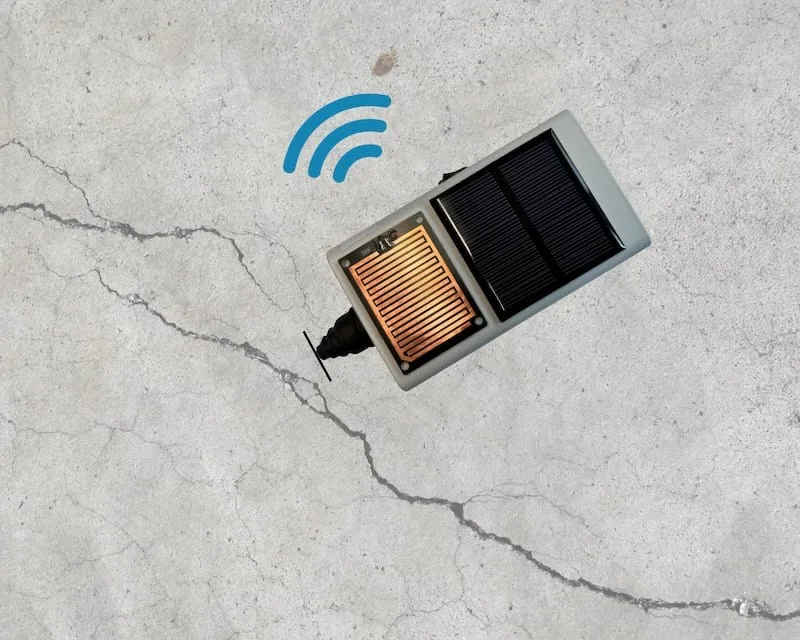
Instead of spot-check visual inspection, wireless sensors record crack width continuously and automatically. You see not only that a crack has changed, but when, how quickly and in what relationship to temperature.
- 01
Mounting
The crack sensor is fixed on both sides of the crack using a mounting plate, by your own team, without special tools.
- 02
Measurement
The integrated displacement transducer records changes in crack width from 0.003 mm, plus surface and concrete temperature, at a freely selectable interval.
- 03
Transmission
Readings are sent to the cloud via Narrowband IoT (NB-IoT) with low power consumption, even from remote or hard-to-reach locations.
- 04
Alerting
If the crack width exceeds the stored threshold, the system triggers an alert immediately. No waiting until the next inspection.
Simulation
The crack grows, the alert comes immediately
Concrete expands in heat and contracts in cold. A separation crack therefore becomes wider at night and in winter and narrower again during the day, without anything having changed at the structure. Only the temperature-corrected trend shows whether a crack is really growing. Start the threshold scenario and see when the alert is triggered.
Within target range
Crack width around 0.32 mm, threshold 0.50 mm
Threshold exceeded
Crack width 0.50 mm, alarm triggered (day 24)
Demonstration only
Crack monitor, manual or digital
Why the digital crack monitor shows more than an on-site reading
Manual checks deliver snapshots a week apart. It is precisely in these gaps that critical changes develop unnoticed.
Analogue
Classic crack monitor
A plastic marker placed over the crack, read against a grid. Reasonable for an initial assessment, with two weaknesses.
- Someone has to take readings on site regularly
- Shows only the current state, not the trend
- The moment of a sudden movement remains unknown
Digital
Digital crack monitoring
Instead of a weekly reading, the wireless sensor measures independently and reports changes automatically.
- A continuous record instead of a snapshot
- Crack width changes from 0.003 mm captured
- Robust documentation for third parties
Because the sensor also measures surface and concrete temperature, the thermal expansion and contraction of the component can be factored out. Only this corrected trend reliably shows whether a crack is actually growing, and prevents false alarms.
Everything from a single source
From the monitoring concept to alerting, one point of contact
You can fit the sensors yourself or leave everything to us. On request, Infrasolute takes care of concept, installation, operation and ongoing monitoring as a complete solution, not separate parts.
- 01
Concept
We determine the right measuring points, thresholds and the suitable sensor variant for your structure.
Learn more - 02
Installation
On request, we fit the crack sensors correctly, set up the transmission and commission everything.
Learn more - 03
Maintenance and operation
We keep the sensors operational, check their function and take care of configuration and updates.
Learn more - 04
Monitoring and alerting
The system observes crack development around the clock and reports any threshold exceedance immediately.
Learn more
Matching product
The crack sensor in three versions
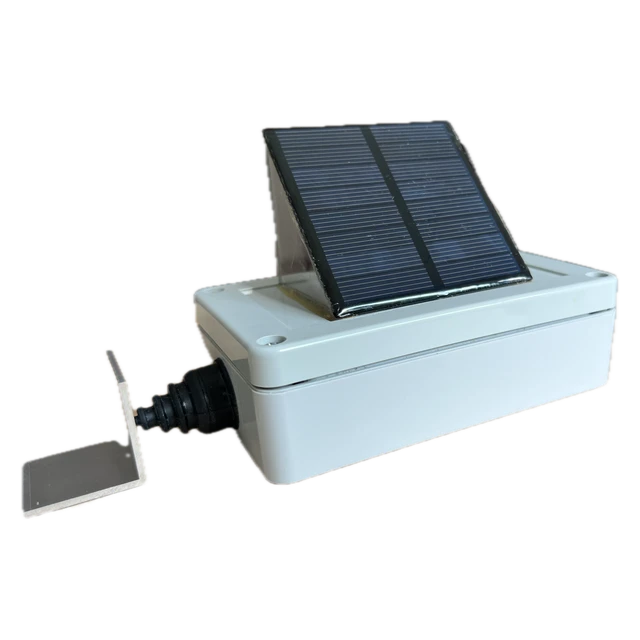
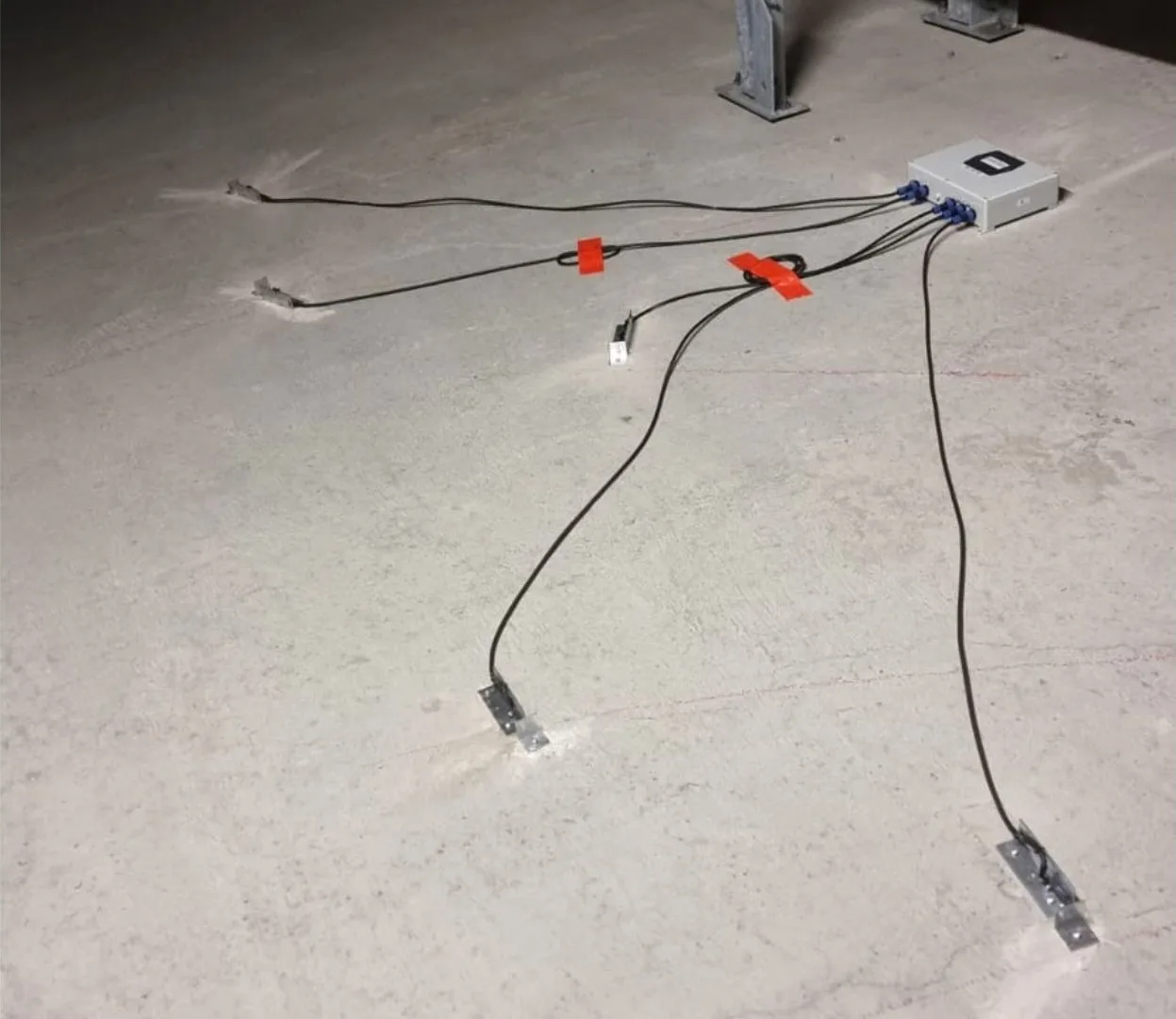
The crack sensor comes in three versions. The measuring principle, mounting and connectivity stay the same, only the power supply differs. The choice depends on the situation at the structure.
Crack sensor solar
Powered entirely by the integrated solar cell. For outdoor areas with sufficient daylight, without cables and without changing batteries.
Crack sensor mains power
Connected permanently to an existing power supply instead of solar or battery.
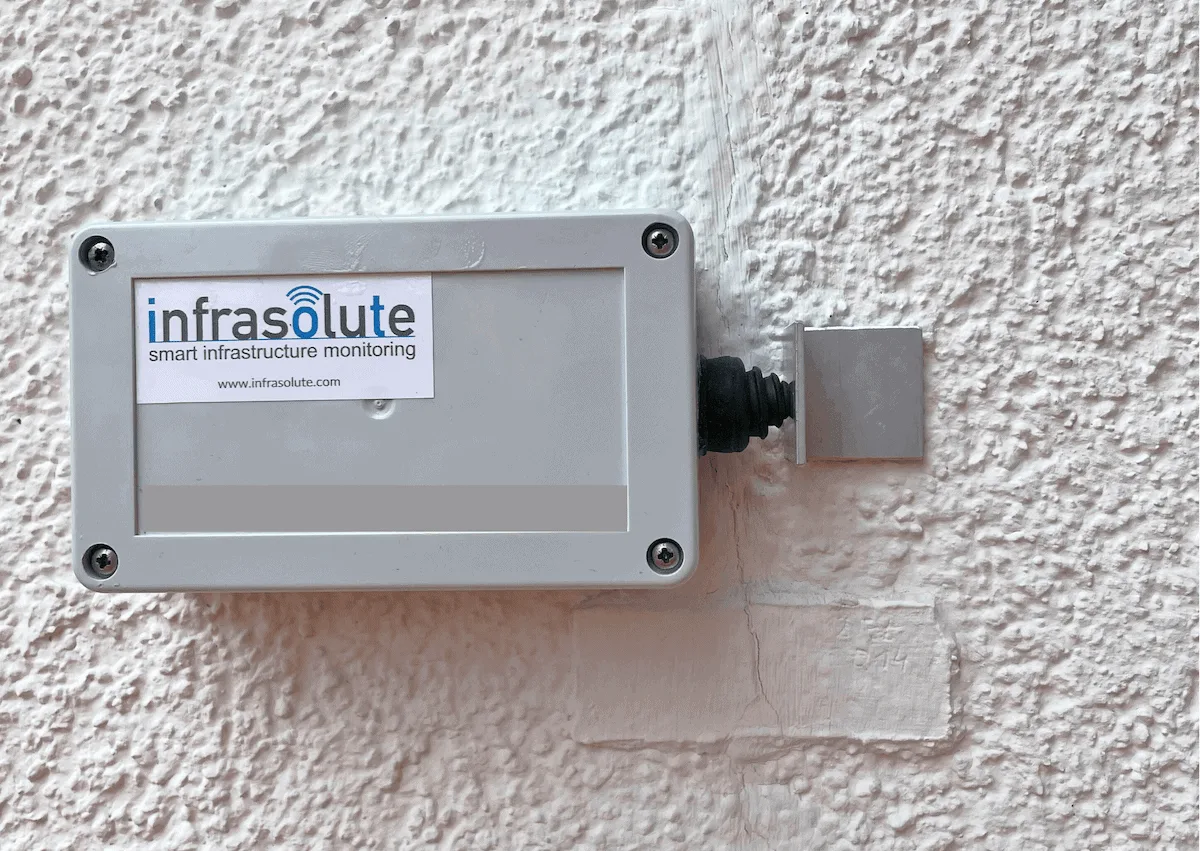
Crack sensor long-life battery
For shaded, covered or enclosed situations without daylight. Same specifications as the solar version, powered by a long-life battery.
Typical applications
From condition surveys to long-term monitoring
Wherever crack movement must be documented over time: for clients and neighbours, for structural inspection, and in your own structural documentation.
- Condition surveys for construction work and excavation pits nearby
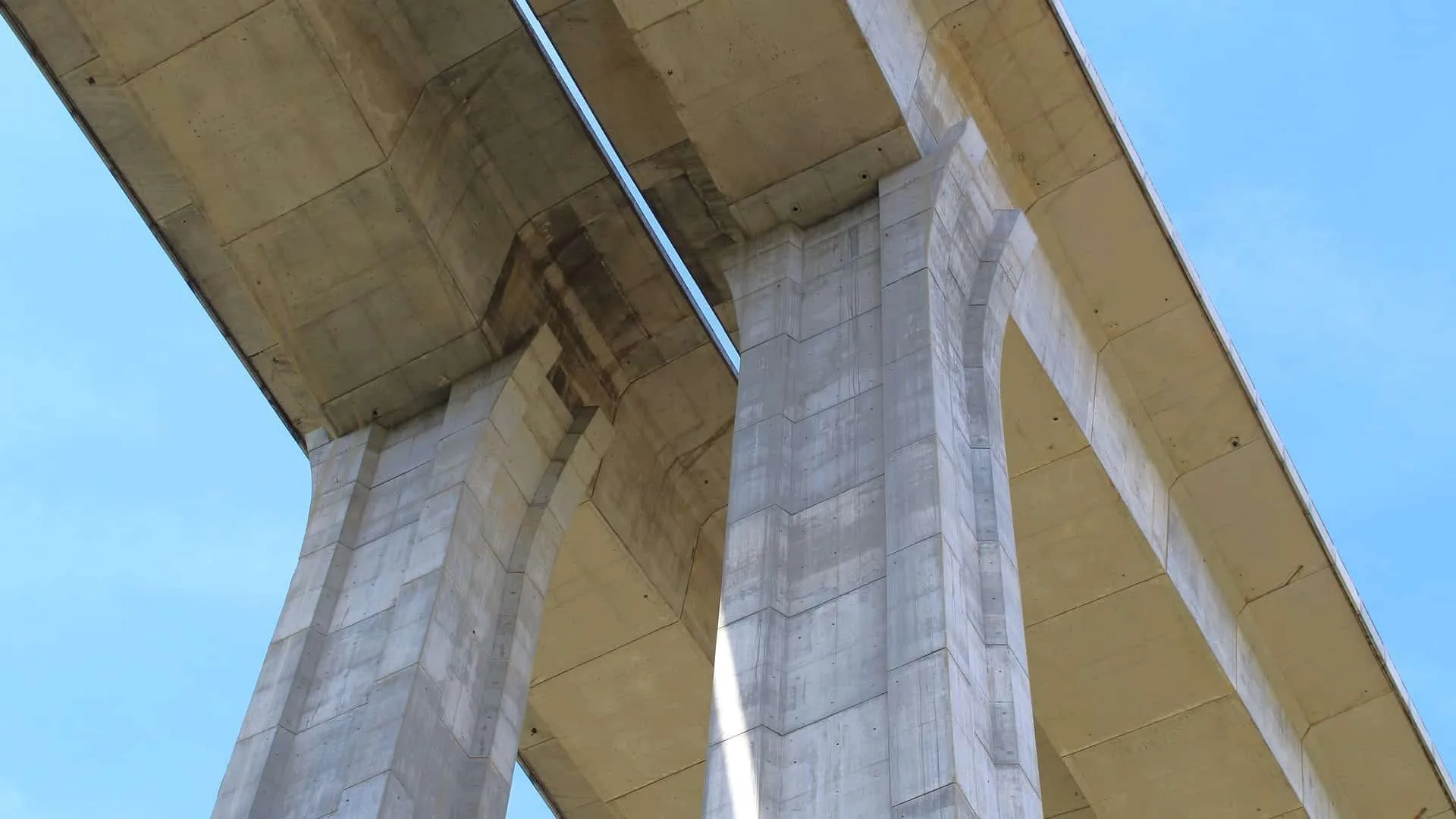
- Cracks in bridges and civil engineering structures
- Supplementing structural inspection to DIN 1076 between inspection dates
- Settlement cracks on existing and commercial structures
- Cracks in masonry on existing and heritage structures
- Long-term monitoring after refurbishment or repair
From practice
Crack monitoring on an existing bridge
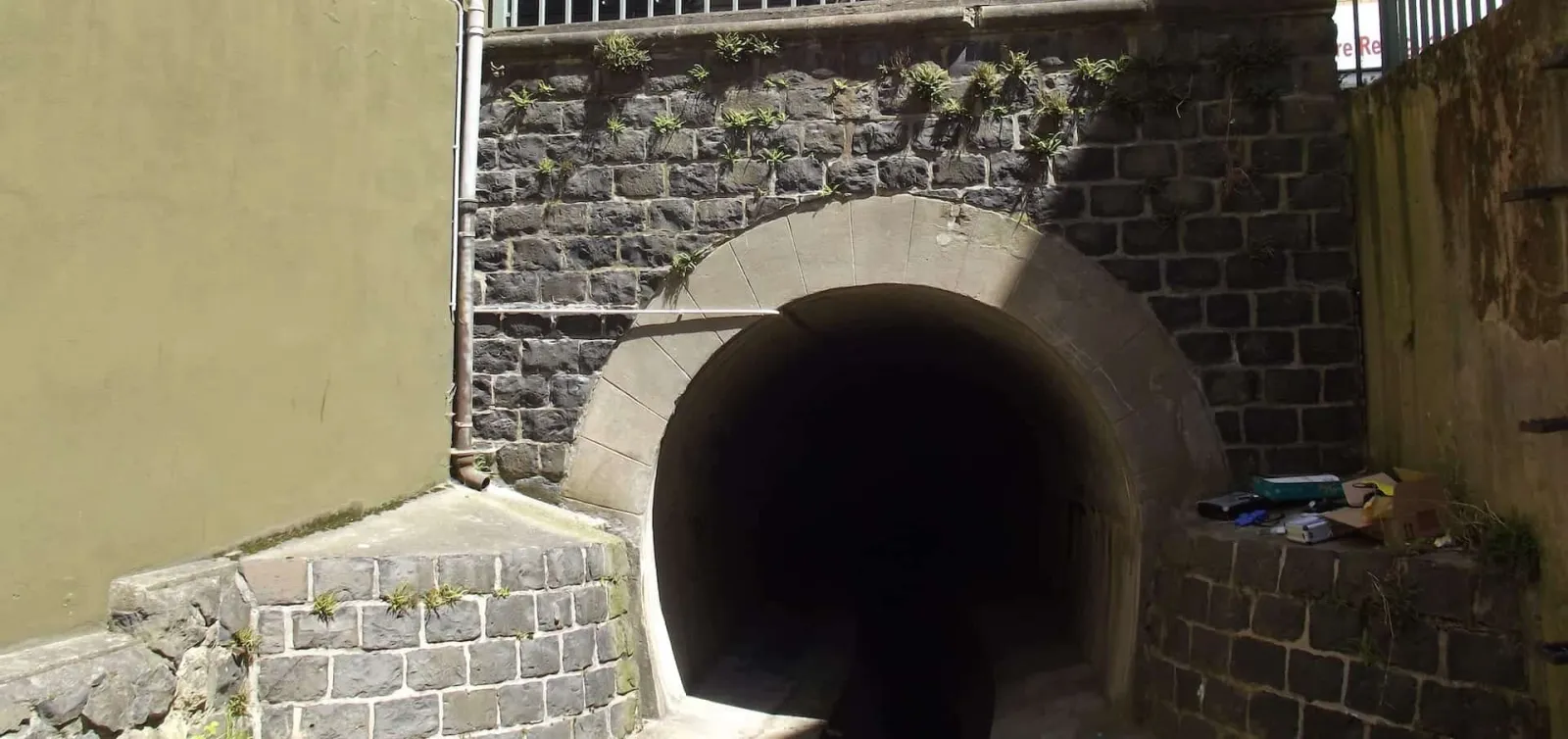
Crack monitoring, bridge in Bonn
After a flood, cracks appeared on the structure. Until the planned replacement is built, sensors monitor crack widths online.
- Structure type
- Bridge
- Location
- Bonn
- Sensors
- Crack sensors with long-life battery
Matching industries
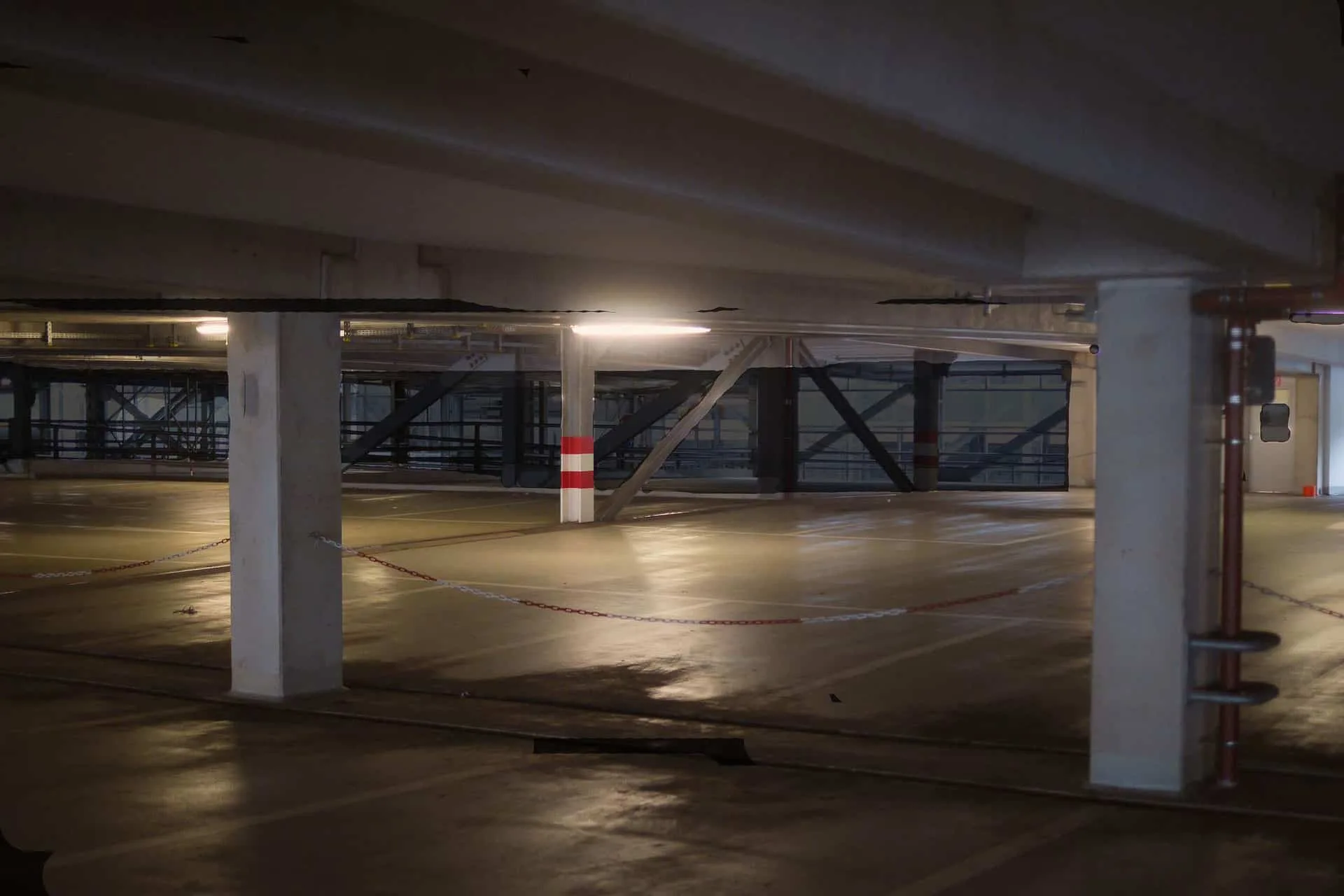
Where we deploy crack monitoring
Crack monitoring for your structure
Whether a single crack or several measuring points on a large structure, we align measuring points, thresholds and sensor variant with your task.
 Benedikt Seuss
Data platform
All readings on one platform
The sensors transmit their readings wirelessly to the data platform, where they are evaluated, documented and continuously checked against your thresholds.
- AI-assisted data analysis
- User-focused reporting
- Continuous evaluation
- Warning and alarm thresholds
- Alerts by email and text message
- Remote access around the clock
- AI-assisted data analysis Condition within limits
- User-focused reporting Report ready
- Alerting Thresholds monitored
Frequently asked questions about crack monitoring
What distinguishes the digital crack monitor from the classic one?
How can a crack in masonry be monitored?
How does crack monitoring support condition surveys?
How does crack monitoring relate to structural inspection to DIN 1076?
How are settlement cracks documented over a longer observation period?
What crack width change can crack monitoring detect?
Is the crack sensor suitable for outdoor use?
Do I need to commission a specialist firm for crack monitoring?
Can I monitor several cracks with one system?
How often does the crack monitor take a reading?
Project inquiry
Let's talk about your structure
Tell us about your structure and the question at hand. We will get back to you shortly and work out with you which measuring points and sensors fit your task.
+49 6742 8599600 DE +41 41 670 00 11 CH info@infrasolute.com