

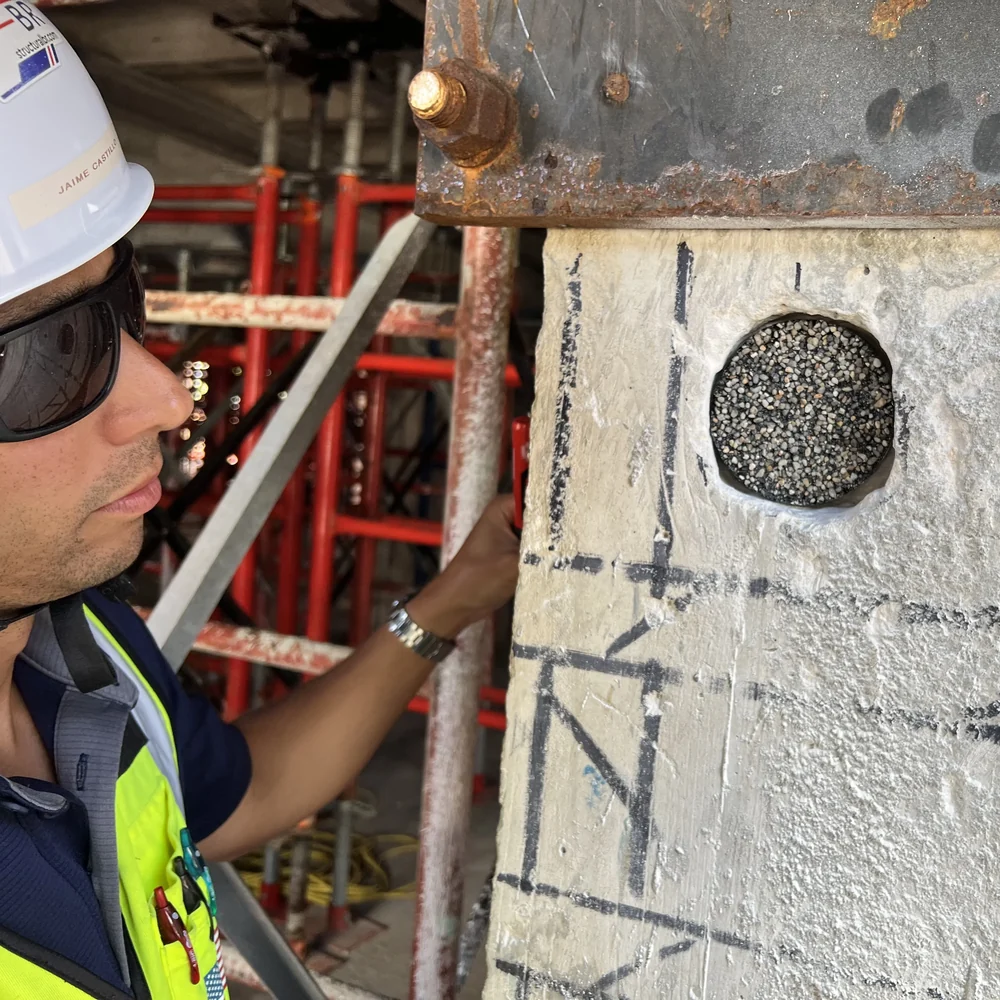
Monitoring you factor into the planning from the start.
Structural health monitoring does not belong at the end, it belongs at the beginning. Those who plan measurement concepts early save time, identify risks in good time and provide standards-compliant evidence, wireless and without mains power.
Benefits for planners
Your advantage as an architect or engineer
You include monitoring as a ready-made service, save time, draw on external expertise and keep costs under control.
Request a quoteSave time
You hand over the measurement concept, sensors and evaluation as a complete service to us. No effort of your own for tendering measuring equipment, on-site coordination or data evaluation. On request, we deliver ready-made line items for your tender.
Draw on external expertise
You do not need to build your own measurement technology know-how. A specialised partner takes responsibility for sensors, standards and operation, with clear responsibilities and a solid data basis that takes the load off you.
Costs under control, fewer claims
A seamless data basis creates clarity about the condition before, during and after the construction phase. That takes the ground away from later discussions and claims and makes costs plannable.
Standards-compliant evidence
Our measurements are guided by DIN 1076 and DIN 4150. That makes results verifiable and solid for building authorities, operators and experts.
Over the project course
How monitoring helps in planning
From the baseline measurement before construction starts, through threshold alerting during the construction phase, to complete documentation at acceptance.
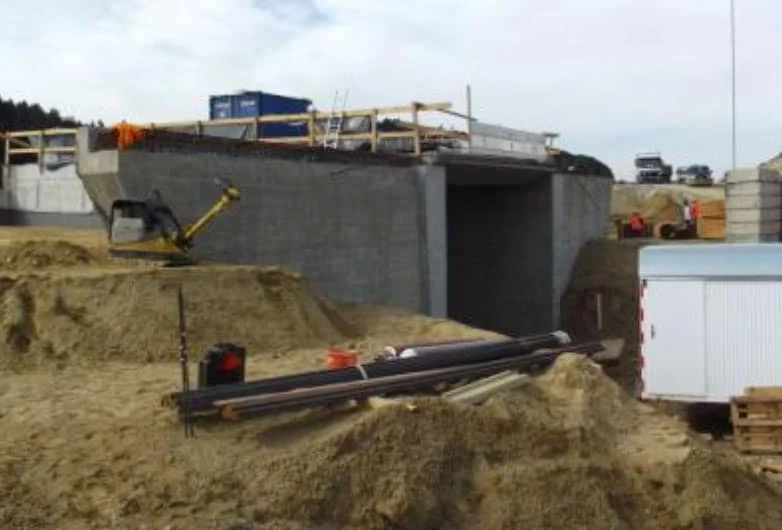
Before construction starts
Baseline measurement as an objective starting point
Before the first intervention, we record the actual condition of the structure and adjacent buildings. This baseline measurement is the reference point for all later evaluations and the basis of solid documentation.
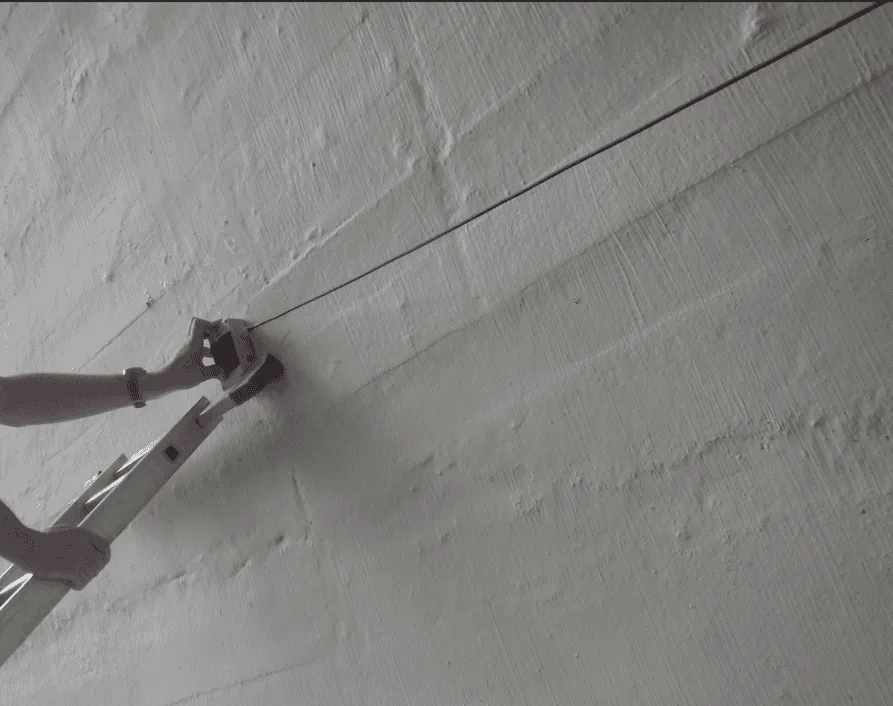
During the construction phase
Threshold alerting in real time
Sensors continuously monitor tilt, crack widths and vibration. When predefined thresholds are reached, the system triggers an automatic alert, around the clock and without manual on-site checks.
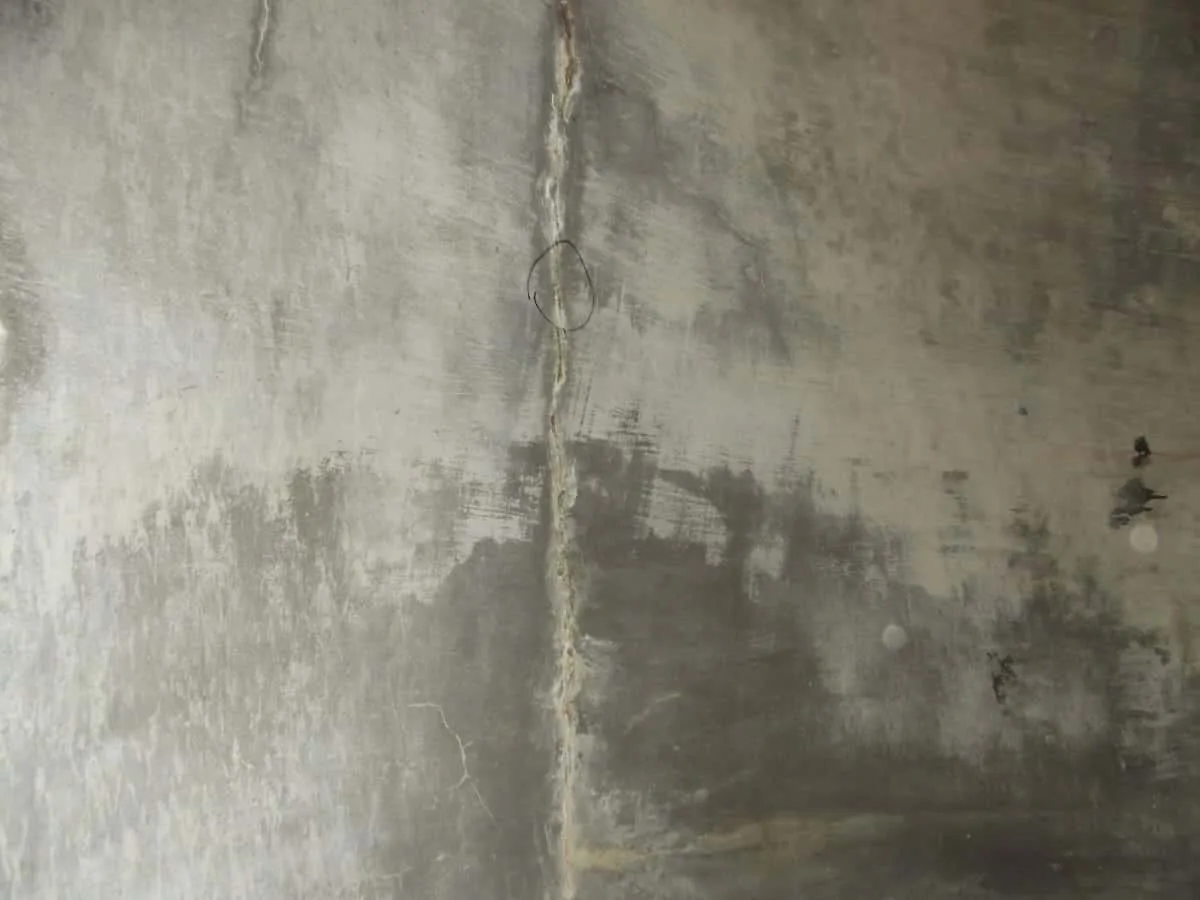
At acceptance
Complete documentation
All readings come together continuously and are available as a traceable time series. At acceptance, a solid documentation is available that proves the condition over the whole project course.
Your contact for architects and engineers
Are you at the start of design or preparing the tender? We work out with you which measured quantities the structure needs, which standards apply and how to include monitoring as an item in the specification and cost plan.
 Roman Koch
Process
From a single source: from concept to operation
You do not commission separate trades, you get a complete solution. Measurement concept, installation, operation and alerting sit with one point of contact, everything works together.
Concept
Together we define measuring quantities, thresholds and sensors, tailored to the structure, standards and your planning. On request with ready-made line items for the tender.
Learn moreInstallation
Wireless sensors are fitted without cabling and without mains power and commissioned with a documented baseline measurement.
Learn moreMaintenance and operation
Continuous monitoring, ongoing evaluation and sensor upkeep as monitoring as a service, over the whole critical phase.
Learn moreMonitoring and alerting
All values flow into the cloud-based software, are archived and made available to the operator online. When a threshold is reached, the system alerts automatically, without a manual site visit.
Learn moreFrom practice
Projects we have been part of from the start
A selection of structures we have accompanied with wireless monitoring.
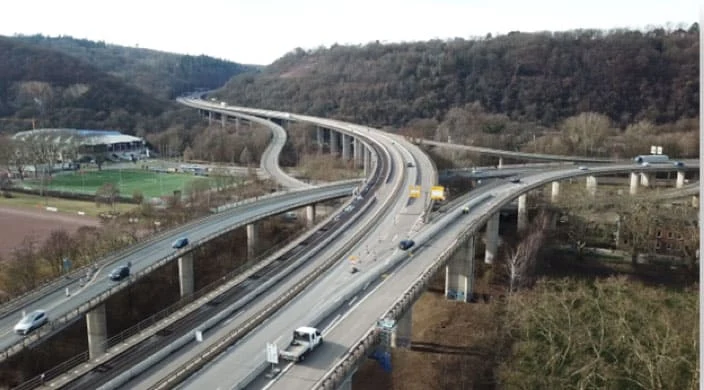
Südbrücke
Crack monitoring on a heavily trafficked civil engineering structure, evaluated continuously and tied to the standard.
View project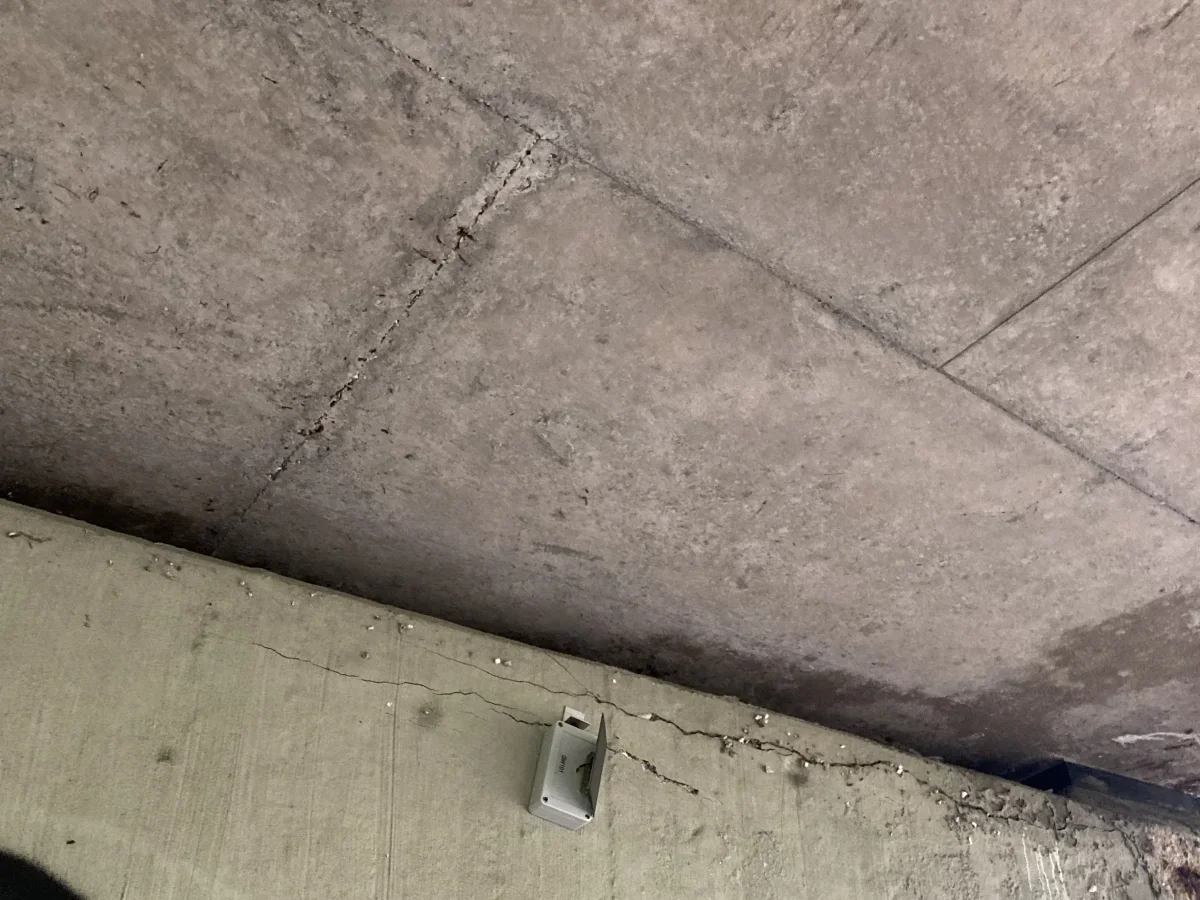
Bridges in a railway environment
Accompanying monitoring from the baseline measurement into the construction phase, with wireless sensors and no mains power.
View project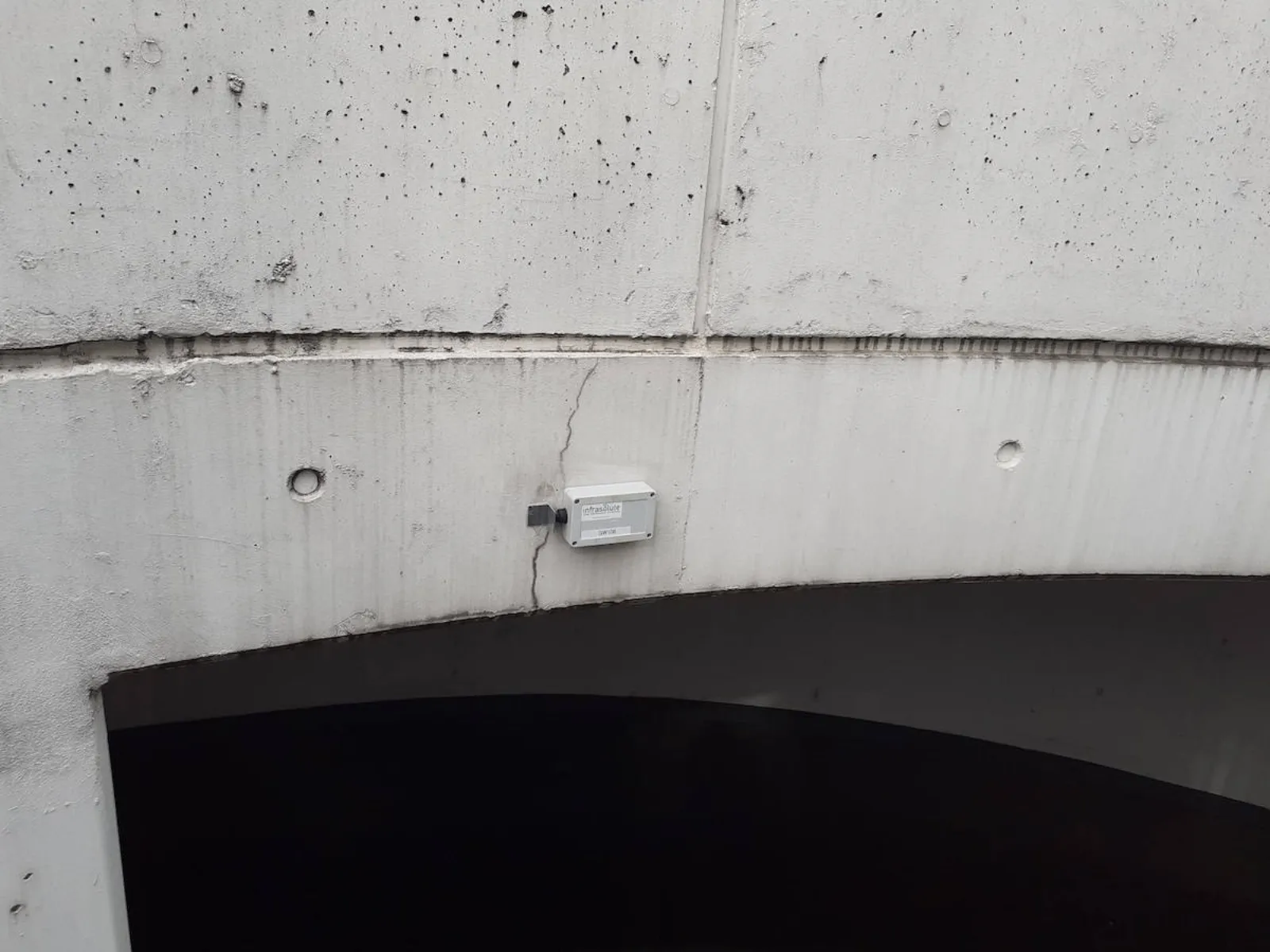
Car park & underground car park
Concrete monitoring on parking structures, to objectively assess structural condition over time.
View projectMatching sensors
This sensor technology we plan in
Crack, tilt and vibration are the quantities most often required in planning. Every product page states setup, mounting and the stated specifications.
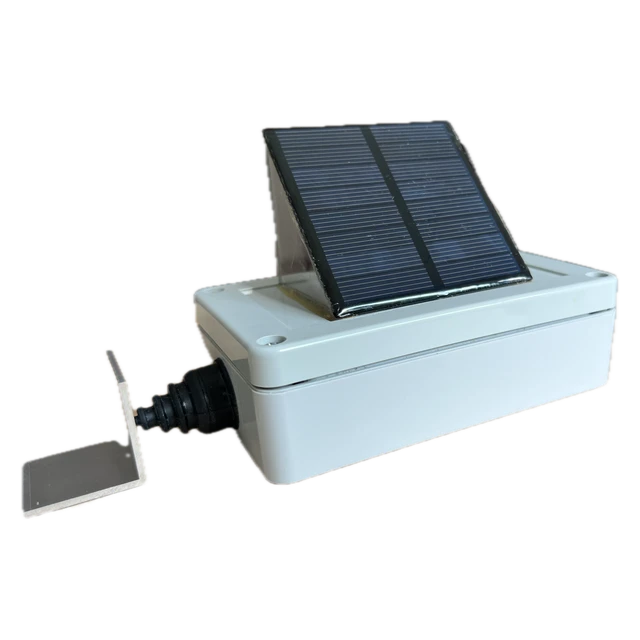 ProductsCrack sensorCrack width with 0.003 mm resolution, available with solar, long-life battery or mains power.
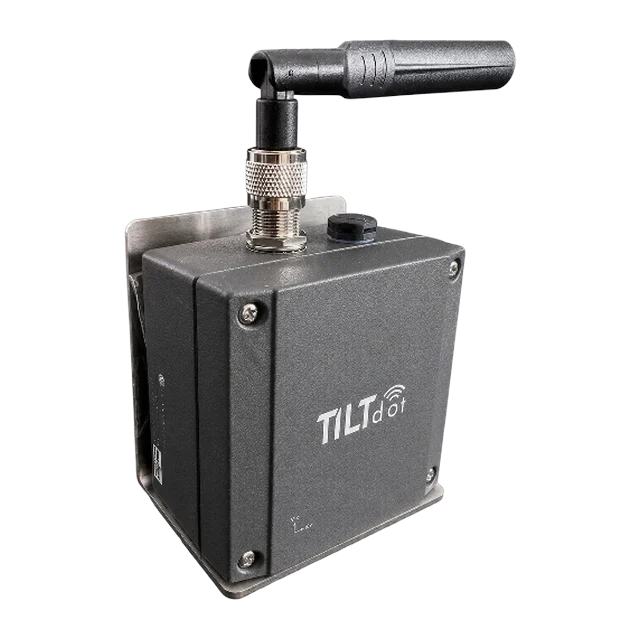 ProductsTilt sensorTilt and settlement of load-bearing components from 0.001°, gateway integrated.
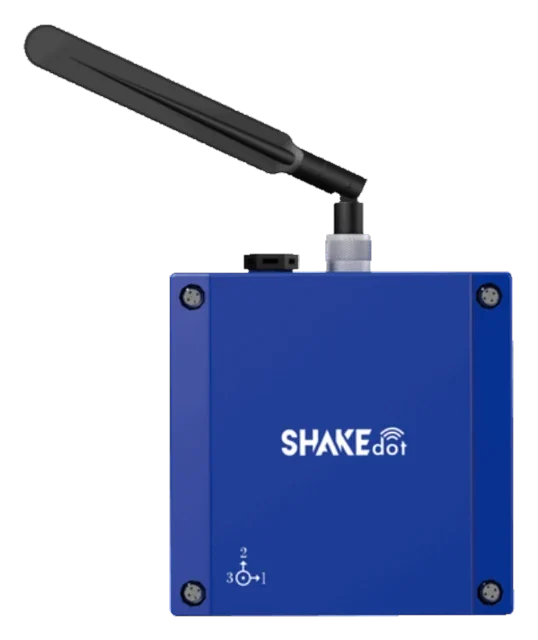 ProductsVibration sensor SHAKEdotThree-axis vibration measurement to DIN 4150-3, autonomous for up to six months.
Factor monitoring into planning early
Describe the project and the phase you are in. We will tell you what belongs in tendering and cost planning and how the baseline measurement is scheduled.
 Peter Nater
Data platform
All readings on one platform
The sensors transmit their readings wirelessly to the data platform, where they are evaluated, documented and continuously checked against your thresholds.
- AI-assisted data analysis
- User-focused reporting
- Continuous evaluation
- Warning and alarm thresholds
- Alerts by email and text message
- Remote access around the clock
- AI-assisted data analysis Condition within limits
- User-focused reporting Report ready
- Alerting Thresholds monitored
Basis for decisions
What you can recommend to your client
Planners rarely decide on closure or refurbishment themselves. They recommend, and they must be able to stand behind the recommendation.
- 01
Observe instead of refurbishing as a precaution
Where the condition is unclear, the larger intervention is often planned to be safe. A measurement phase provides the basis for the smaller solution.
- 02
Weigh upgrade against replacement
Whether a repair is still worthwhile depends on the trend, not on the current condition. This can be measured before the variant is decided.
- 03
Make the recommendation solid
A documented measurement series carries a planning decision better than an assessment, both to the client and the checking engineer.
- 04
Include monitoring in the tender
Whoever plans the measurement technology early gets the baseline measurement before construction starts, not after. That is the point at which evidence protection is still worth something.
- 05
Distribute risk across the construction process
Vibration and settlement thresholds in the scope of works turn a point of dispute into a verifiable requirement.
Frequently asked questions from planners
When should monitoring be included in a project?
Who bears the cost of monitoring?
How do I bring monitoring into the tender?
Which standards are relevant for planners?
What do the interfaces with construction supervision look like?
Project inquiry
Factor monitoring into planning from the start
Tell us about the structure and your question. You will receive a solid initial assessment shortly, including suitable measuring quantities and sensors.
+49 6742 8599600 DE +41 41 670 00 11 CH info@infrasolute.com