

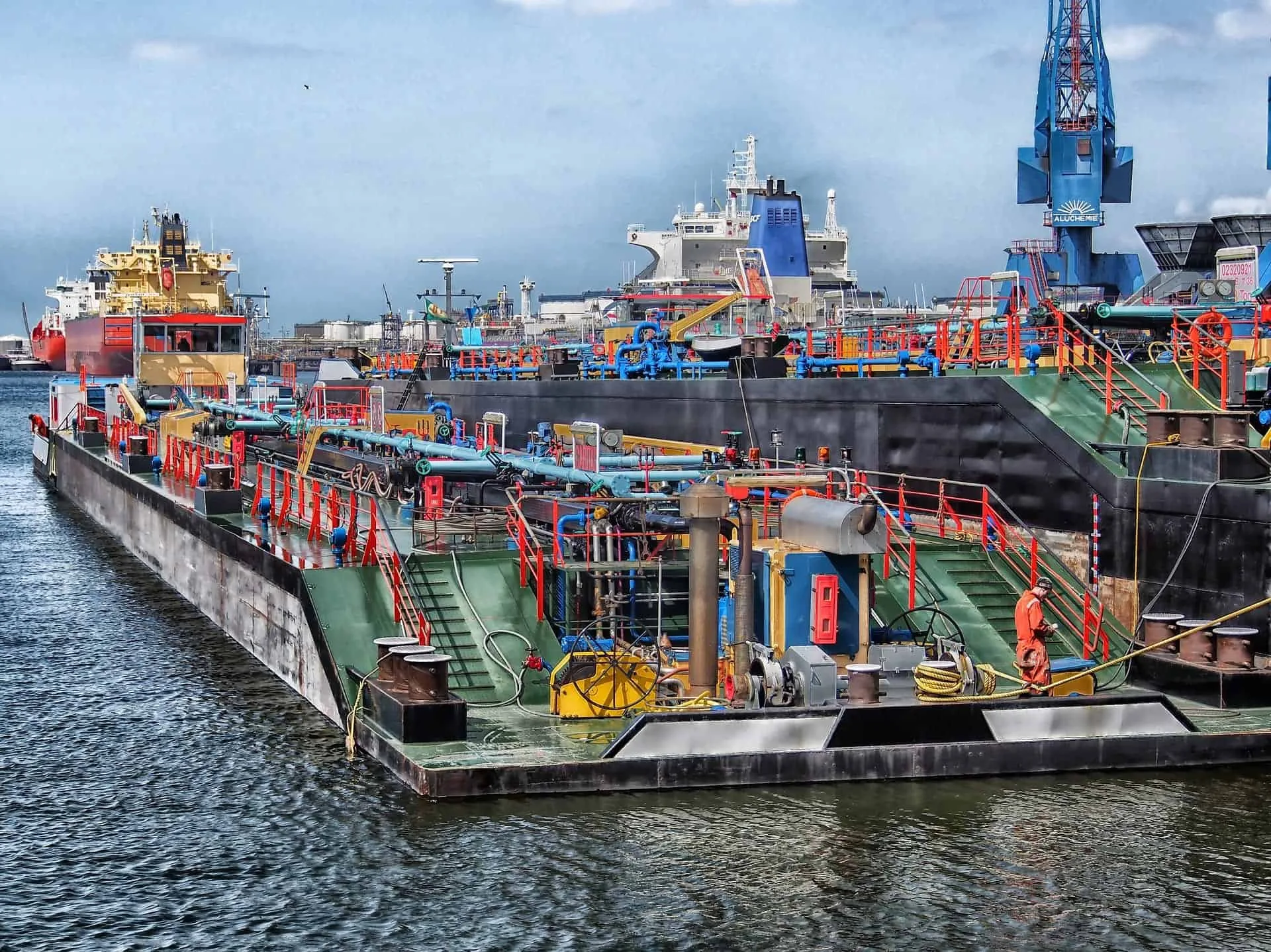
Monitoring for port facilities and logistics structures.
Quay walls, sheet piling, crane runways and high-bay warehouses are heavily loaded and partly submerged. Wireless sensor technology captures corrosion, cracks, tilt and water level continuously, without cables and without interrupting operations.
Benefits for operators
Why operators monitor their port and logistics structures
Quay walls, crane runways and warehouse floors are heavily loaded and partly hard to reach. Continuous data creates safety, keeps operations running and extends the service life.
Request a quoteOperation without interruption
Wireless sensors report changes during ongoing operation. Handling, crane movements and warehouse logistics continue, without elaborate manual inspection rounds.
Detect damage early
Corrosion, crack formation and settlement show up in the measurement data long before they become visible. That leaves time to react precisely and economically.
Measurable even underwater
Fully submersible crack sensors reliably capture cracks on hydraulic structures, even permanently underwater in quay walls and sheet piling.
Without cables and mains power
Cable- and energy-free sensor technology can be retrofitted even on hard-to-reach components, without cabling and without an external power supply.
Condition documented objectively
A seamless data basis documents the structure condition over time. That helps with maintenance, evidence and discussions with surveyors.
Remote monitoring via IoT
Readings are transmitted securely via NB-IoT. You keep the condition of your facilities in view remotely, around the clock.
Live monitoring
One structure, many measured variables
At a single quay wall, several sensors work together: tilt at the top, corrosion and moisture in the concrete, cracks right down below the waterline and the water level in front of it. All readings come together centrally.
Quay wall tilt
0
Crack width
0
Concrete moisture
0
Water level
0
Example values for illustration.
What we monitor
From hydraulic engineering to the warehouse hall
The matching sensor technology for every component, combined into continuous monitoring of the whole facility.
Quay walls & sheet piling
Salt water and changing water levels attack the fabric of quay walls and sheet piling. Corrosion and moisture sensors capture the condition in the concrete, while submersible crack sensors monitor cracks right down below the waterline.
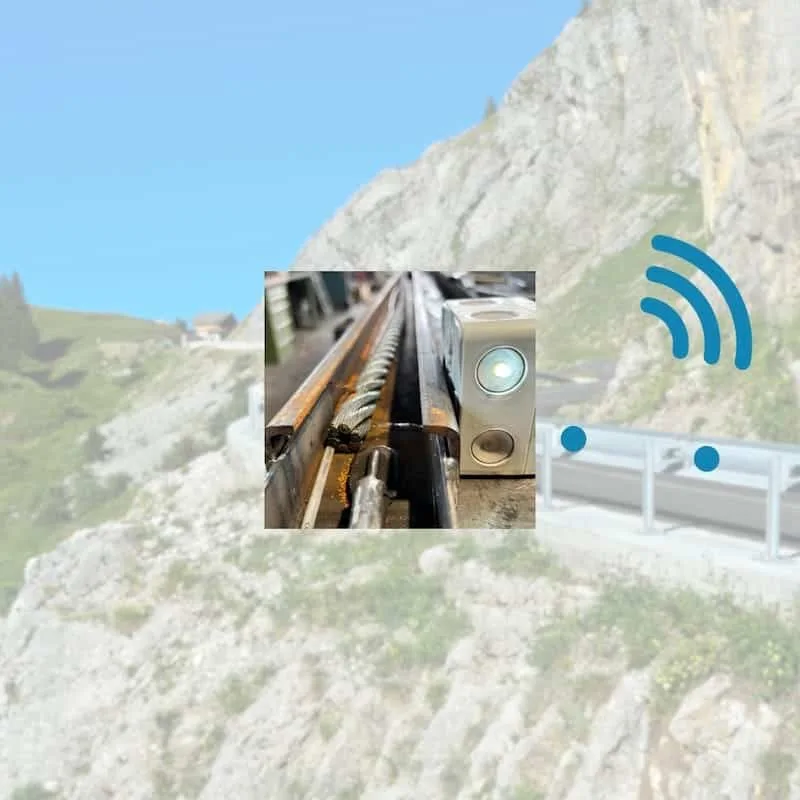
Crane runways & traffic areas
Crane runways and heavily loaded handling areas react sensitively to settlement and deformation. Tilt and settlement sensors detect when the geometry changes, before operation is put at risk.
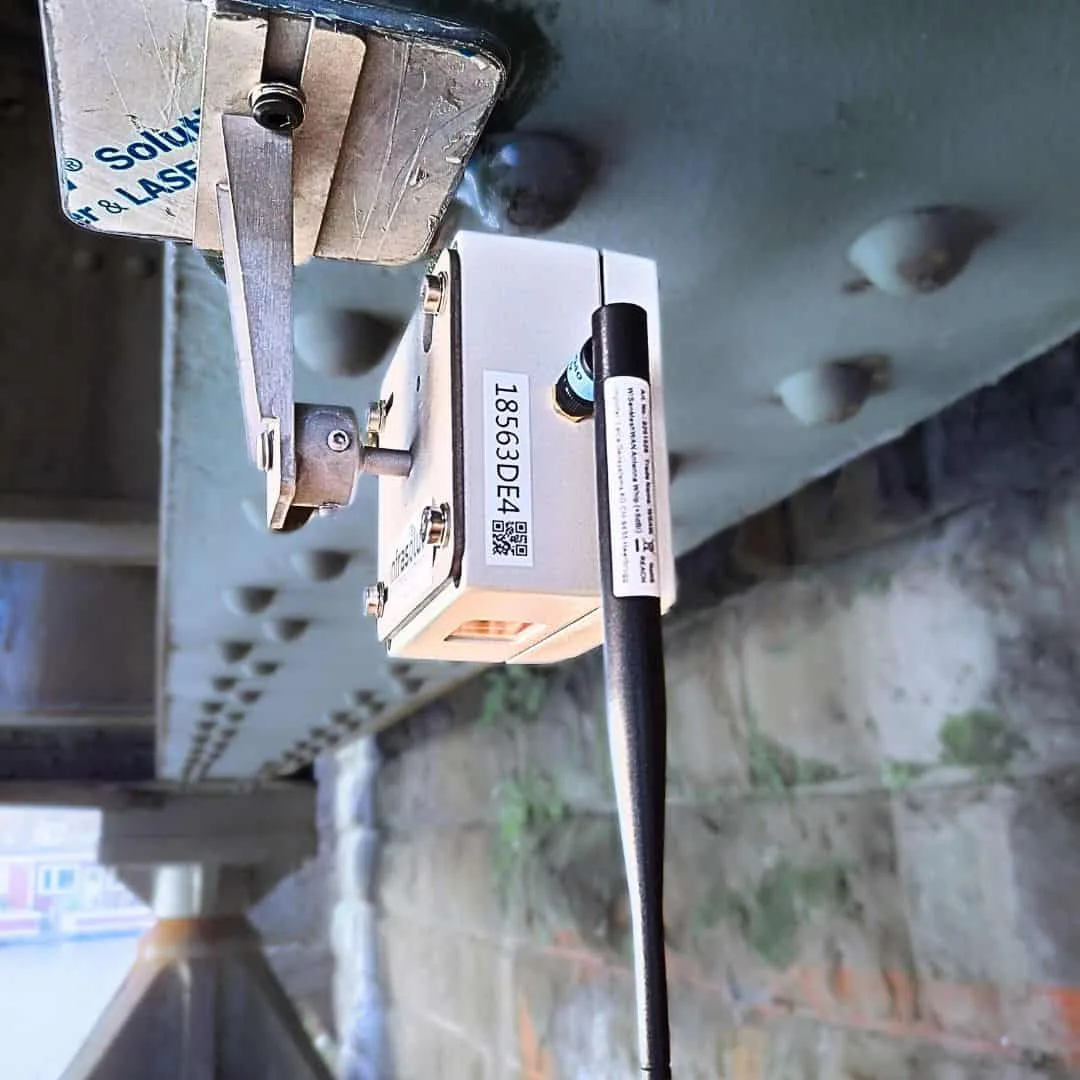
Warehouses, logistics sites & high-bay warehouses
In logistics halls and high-bay warehouses, settlement in the floor and in the racking foundations leads to misalignment. Continuous tilt and settlement data secures stability and operational safety of the storage technology.
To the high-bay warehouses & intralogistics industry pageMatching solutions
Monitoring solutions for ports and logistics
Individually or combined, always tailored to the structure and load.
Tilt & settlement monitoring
Capture tilt, settlement and deformation on quay walls, crane runways and hall floors to the millimetre.
Learn more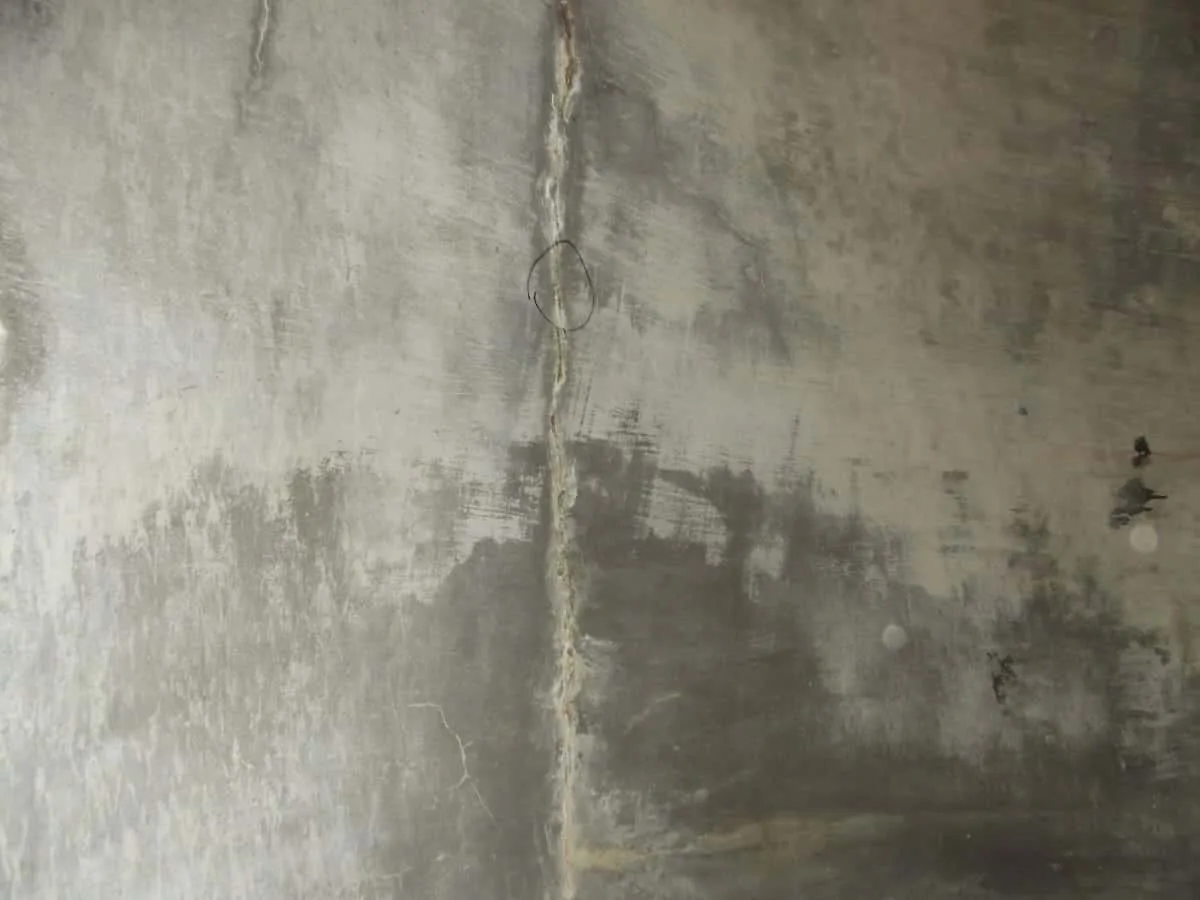
Crack monitoring
Monitor crack widths on concrete and hydraulic structures, with submersible sensors also underwater.
Learn more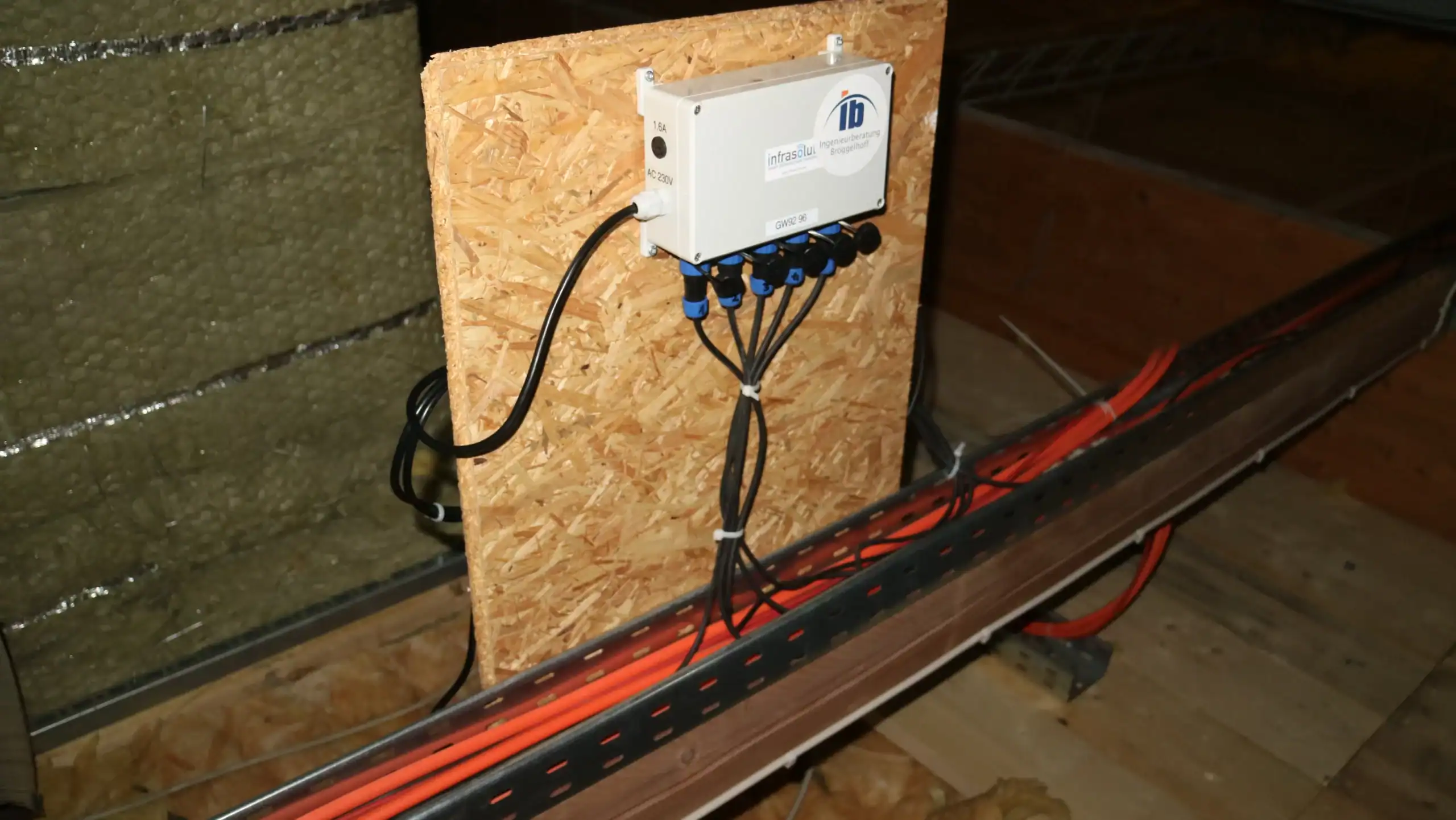
Structural & roof monitoring
Keep the load-bearing structure and roof load of logistics halls and warehouse buildings in view.
Learn moreEverything from a single source
From the monitoring concept to ongoing operation
You do not get individual parts, but a complete solution and a single point of contact for the entire monitoring of your facility.
Concept
We define measured variables, thresholds and sensor technology, tailored to quay wall, crane runway or warehouse hall and the maritime load.
To the serviceInstallation
Cable- and energy-free sensor technology is installed without mains power, even on hard-to-reach and submerged components, and commissioned.
To the serviceMaintenance and operation
As monitoring as a service, we take care of evaluation, maintenance and the continuous monitoring of your facilities.
To the serviceMonitoring and alerting
When thresholds are reached, the system alerts automatically by email and SMS, around the clock and without an inspection round.
To the serviceMatching sensors
This sensor technology is used at the port
The measured variables above come from these devices. Each product page lists setup, mounting and the proven readings.
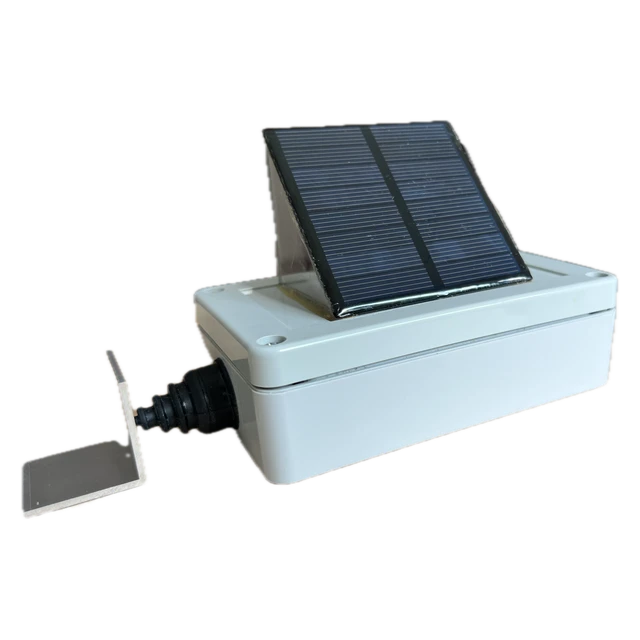 ProductsCrack sensorCrack widths on quay walls and sheet piling, resolution 0.003 mm.
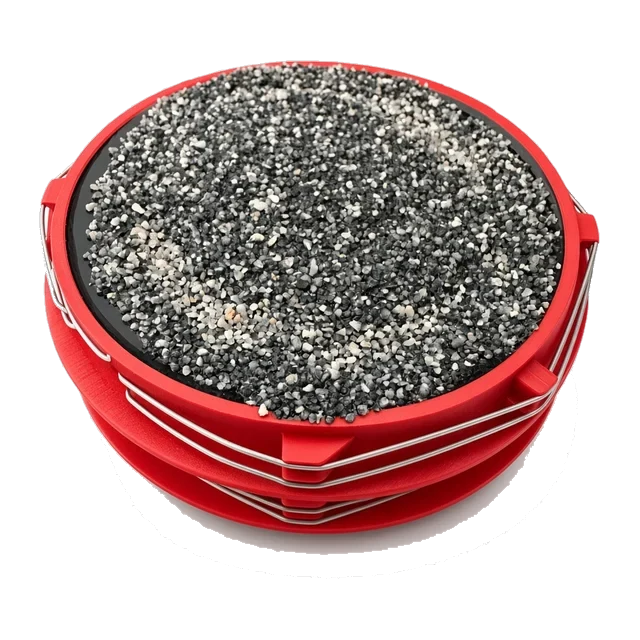 ProductsCorrosion sensor CorroDec 2GShows whether the corrosion front in the concrete has reached a defined depth.
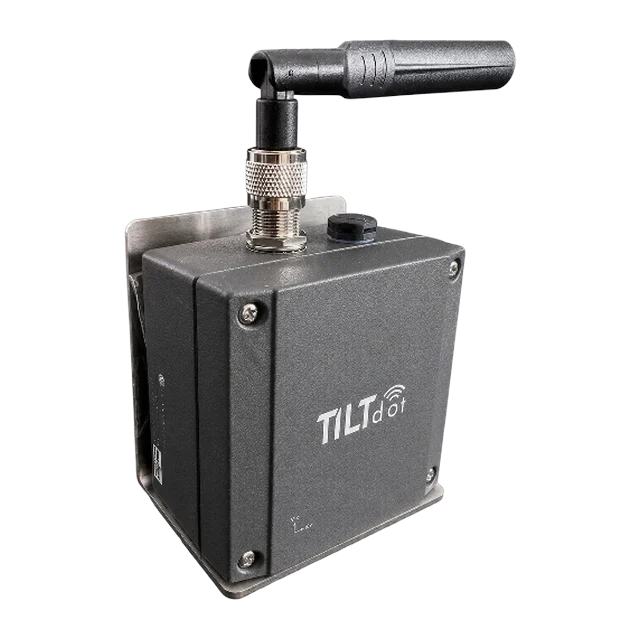 ProductsTilt sensorTilt and settlement at quay walls, bollards and crane runways from 0.001°.
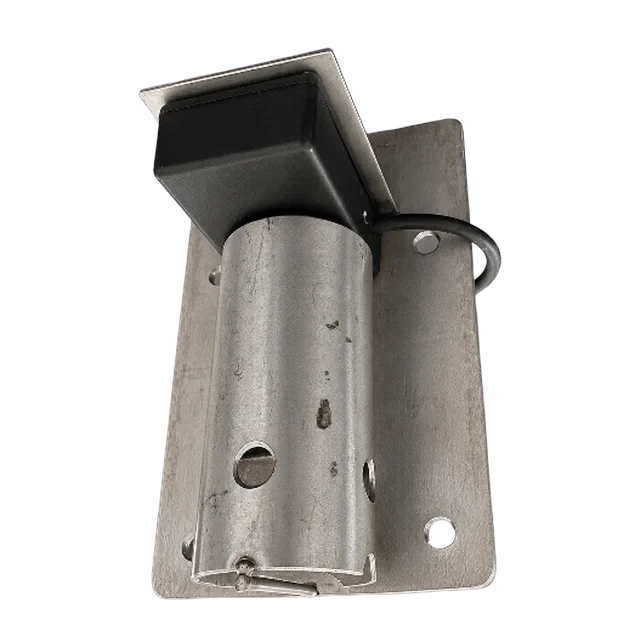 ProductsWater level sensorWater level in the harbour basin and in shafts, sealed even in case of flooding.
From practice
Reference: Quay wall in the Port of Rotterdam
An example of how wireless sensor technology makes the condition of critical port structures visible over time.

Quay wall monitoring with CorroDec 2G
To secure a quay wall in the Port of Rotterdam, corrosion and moisture sensors of the CorroDec 2G generation were used. They detect structural damage from corrosion and moisture at an early stage, so action can be taken in time.
- Wireless and battery-free via RFID, retrofittable in existing structures
- Antenna extension up to 50 metres depth possible
- Quality-assured and tested by the Fraunhofer Institute
- Complete remote monitoring via NB-IoT
Monitoring for your port facility
Quay wall, sheet piling, crane runway or logistics site: tell us about the structure. We align sensor technology and the measurement concept with the on-site load.
 Roman Koch
Data platform
All readings on one platform
The sensors transmit their readings wirelessly to the data platform, where they are evaluated, documented and continuously checked against your thresholds.
- AI-assisted data analysis
- User-focused reporting
- Continuous evaluation
- Warning and alarm thresholds
- Alerts by email and text message
- Remote access around the clock
- AI-assisted data analysis Condition within limits
- User-focused reporting Report ready
- Alerting Thresholds monitored
Basis for decisions
What you can decide about the port facility
Quay walls and crane runways stand under constant load and in salt water. Decisions are usually made between handling capacity and structure preservation.
- 01
Close a berth or keep it allocated
The documented condition of the quay wall carries the decision of whether a berth stays in operation or is taken out of handling.
- 02
Set load limits for handling equipment
Deformation and tilt data show how the structure responds to actual stress. From this, limits for crane and vehicle loads can be derived.
- 03
Schedule diver inspections precisely
An underwater inspection is expensive and elaborate. Sensors in and on the structure show where it is worthwhile and where it can wait.
- 04
Renew corrosion protection before damage occurs
Moisture and corrosion readings in the concrete show the attack long before spalling becomes visible. That shifts the measure from repair to prevention.
- 05
Refurbish during ongoing handling operations
Whoever knows which section is critical plans the measure section by section and keeps operations running.
Frequently asked questions about ports & logistics
Can sensors also be used underwater?
Does the installation disrupt ongoing port or warehouse operations?
Which structures in ports and logistics can be monitored?
How are we informed about critical readings?
Can the monitoring be retrofitted in existing structures?
Project inquiry
Secure your port and logistics structures
Tell us about the structure and the question at hand. You will receive a reliable initial assessment shortly, including suitable measured variables and sensor technology.
+49 6742 8599600 DE +41 41 670 00 11 CH info@infrasolute.com