

Monitoring a New Multi-Storey Car Park: Provision from Day One
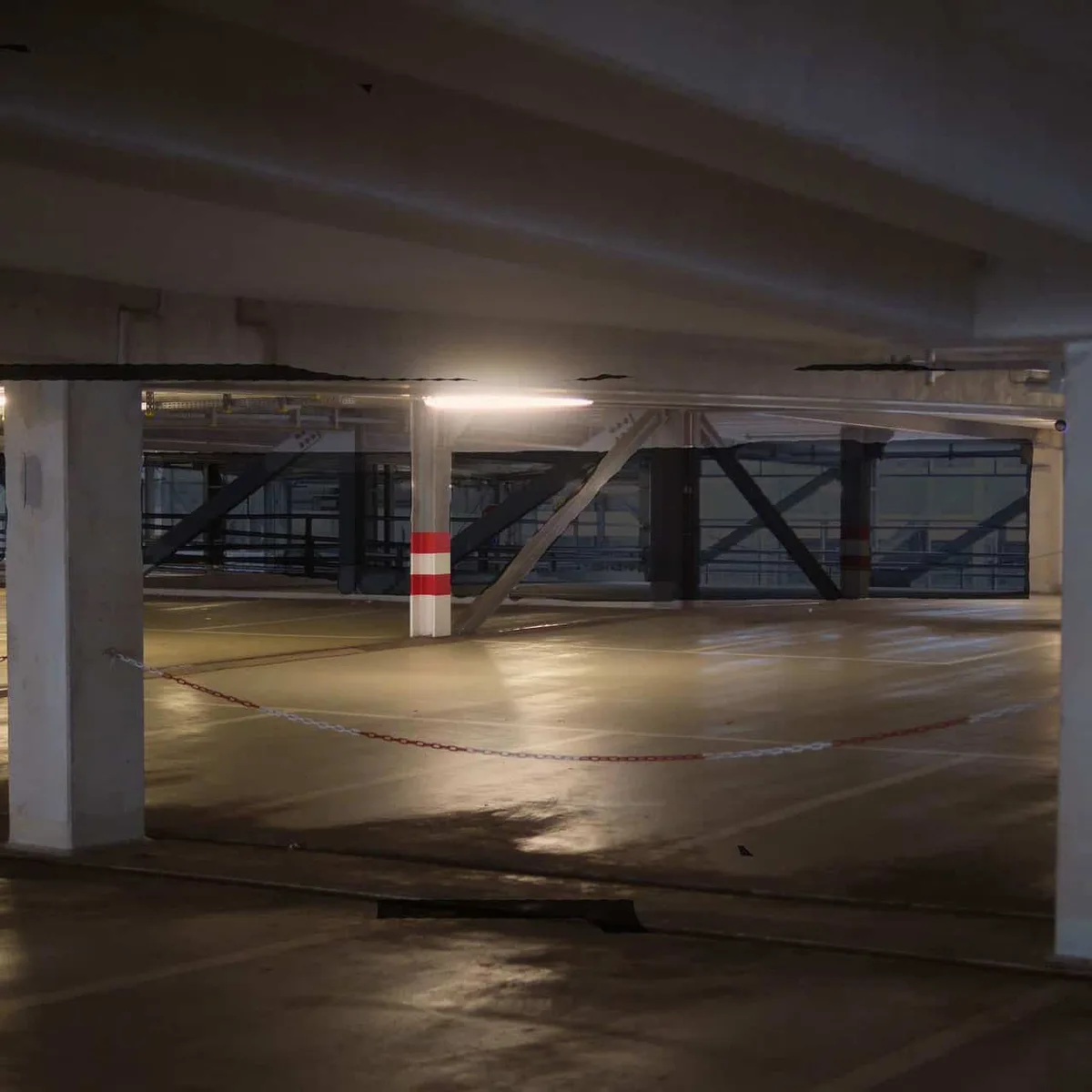
Project facts
- Structure type
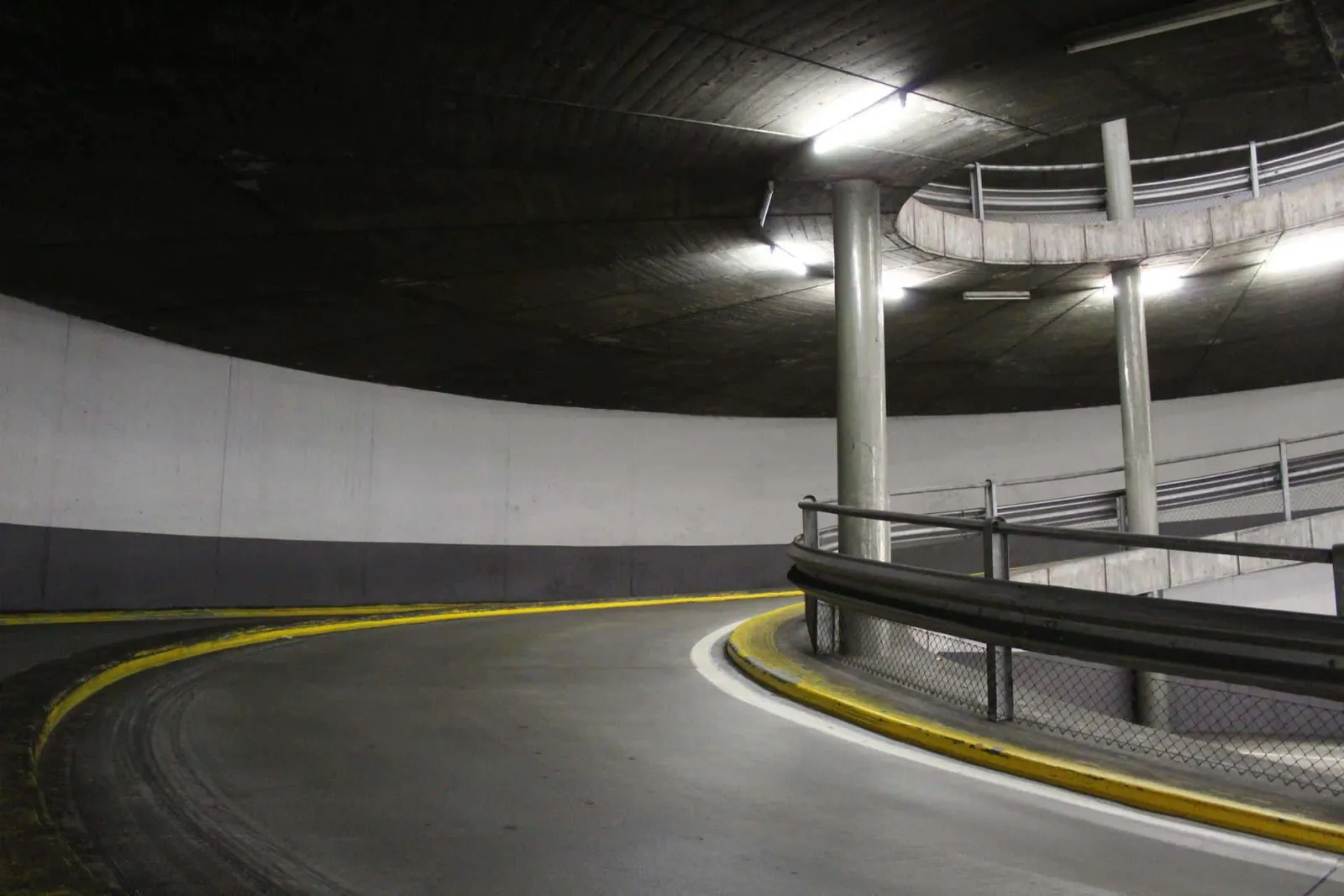
- Multi-storey car park with underground garage, new build
- Location
- Municipal new build
- Client
- Municipal administration
- Task
- Moisture and corrosion monitoring from the construction phase
- Sensors installed
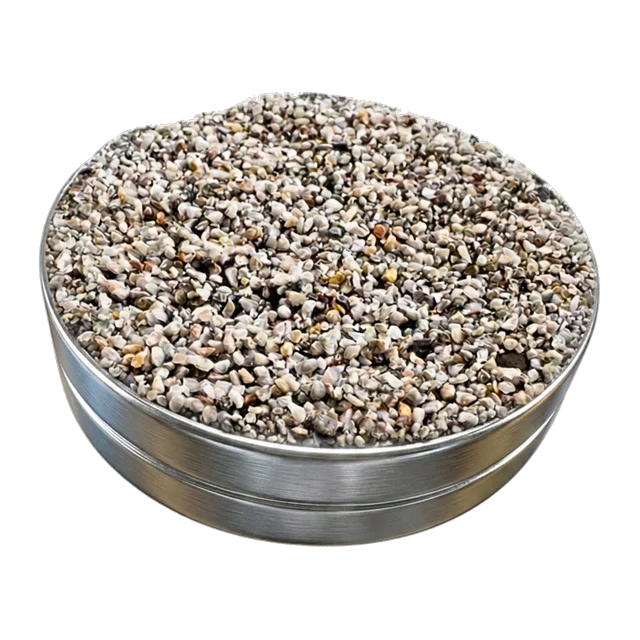
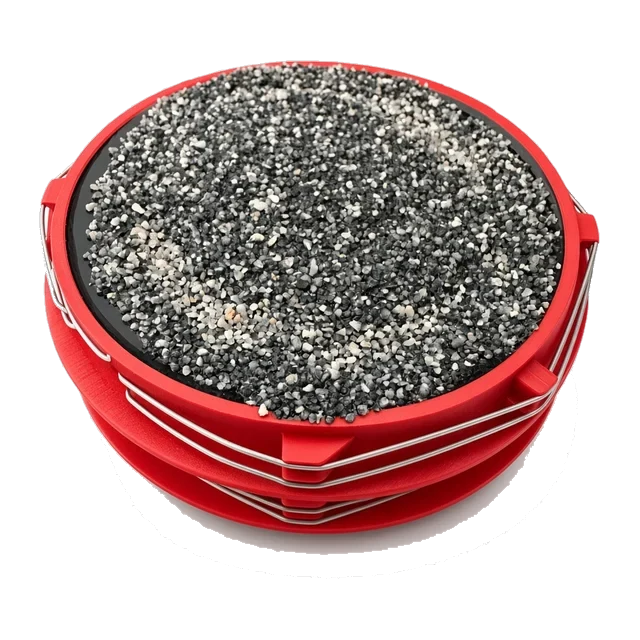
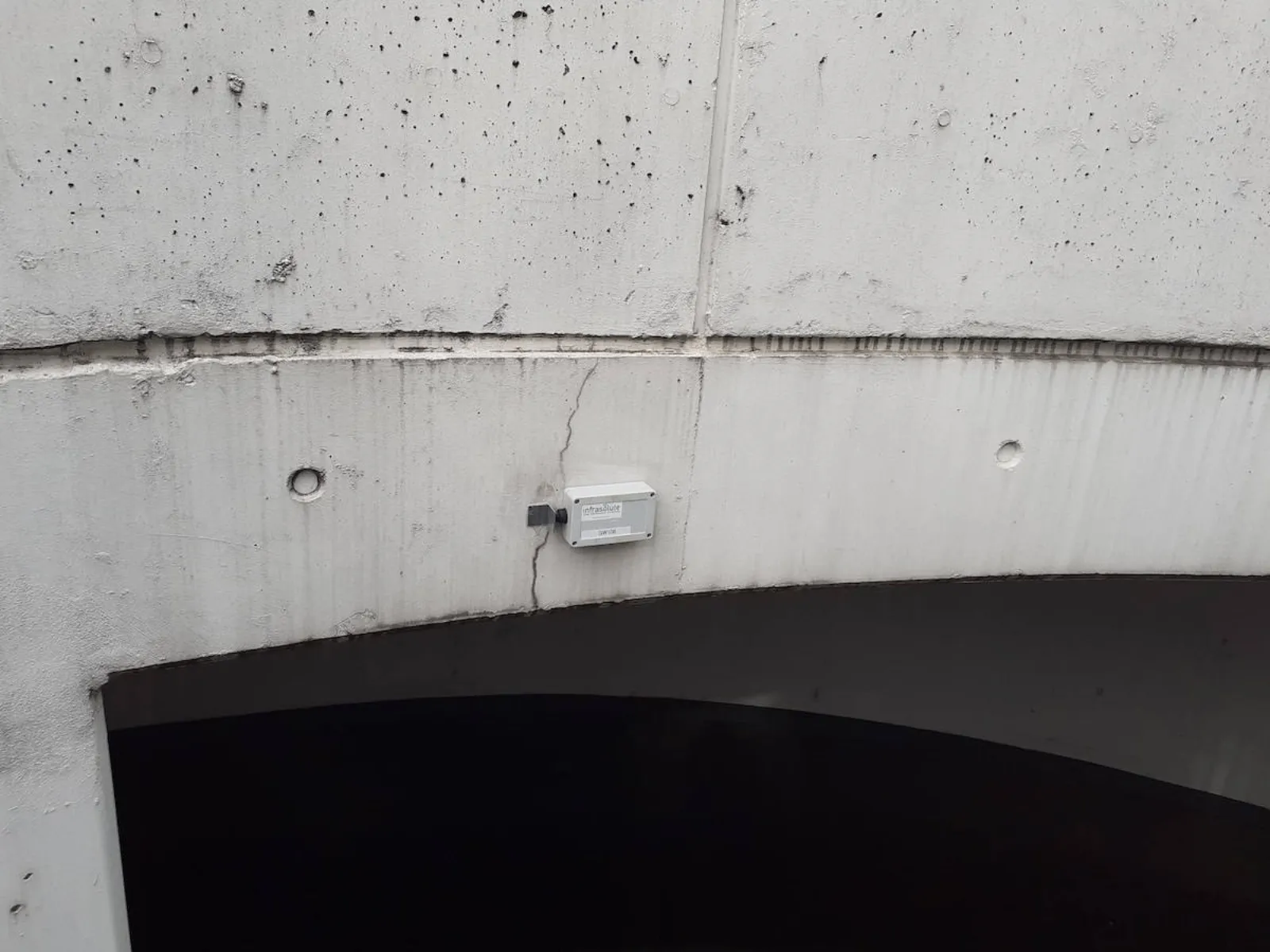
- Moisture sensors and corrosion sensors (CorroDec 2G)
Installed sensors
Challenge
Provision in the new build instead of costly repair later
Rehabilitating existing multi-storey car parks is demanding and expensive. Chlorides from winter operation, moisture and exhaust fumes attack the reinforced concrete over the years, and by the time damage becomes visible, reinforcement corrosion is usually far advanced. This very experience was the starting point for a different approach.
For a new multi-storey car park, the municipal administration therefore decided not to wait for damage to occur but to provide for it from the outset. Moisture and corrosion sensors were to be built into the structure already during construction. The goal: monitor the condition of the new build from day one, document build quality and keep the structure in view up to VOB acceptance and beyond.
One feature of this new build called for extra attention: the roof of the underground garage was built over, making the waterproofing inaccessible in operation. Precisely with a non-visible roof waterproofing, later inspection is barely possible, which is why moisture monitoring was of particular importance here.
Solution
Sensors placed deliberately during construction
Infrasolute equipped the new build with moisture and corrosion sensors positioned exactly where the damage risk is highest. The moisture sensors were installed at the drainage low point of the car-park deck and at the drainage joints of the entry ramps, that is, at the points where water collects and moisture can penetrate the structure.
The corrosion sensors were used in the standard CorroDec 2G version. They were placed at the columns of the parking decks and at the most heavily used bays, where the load from vehicles and the ingress of moisture and de-icing salt are highest. This creates a network of measuring points that covers the critical areas of the structure.
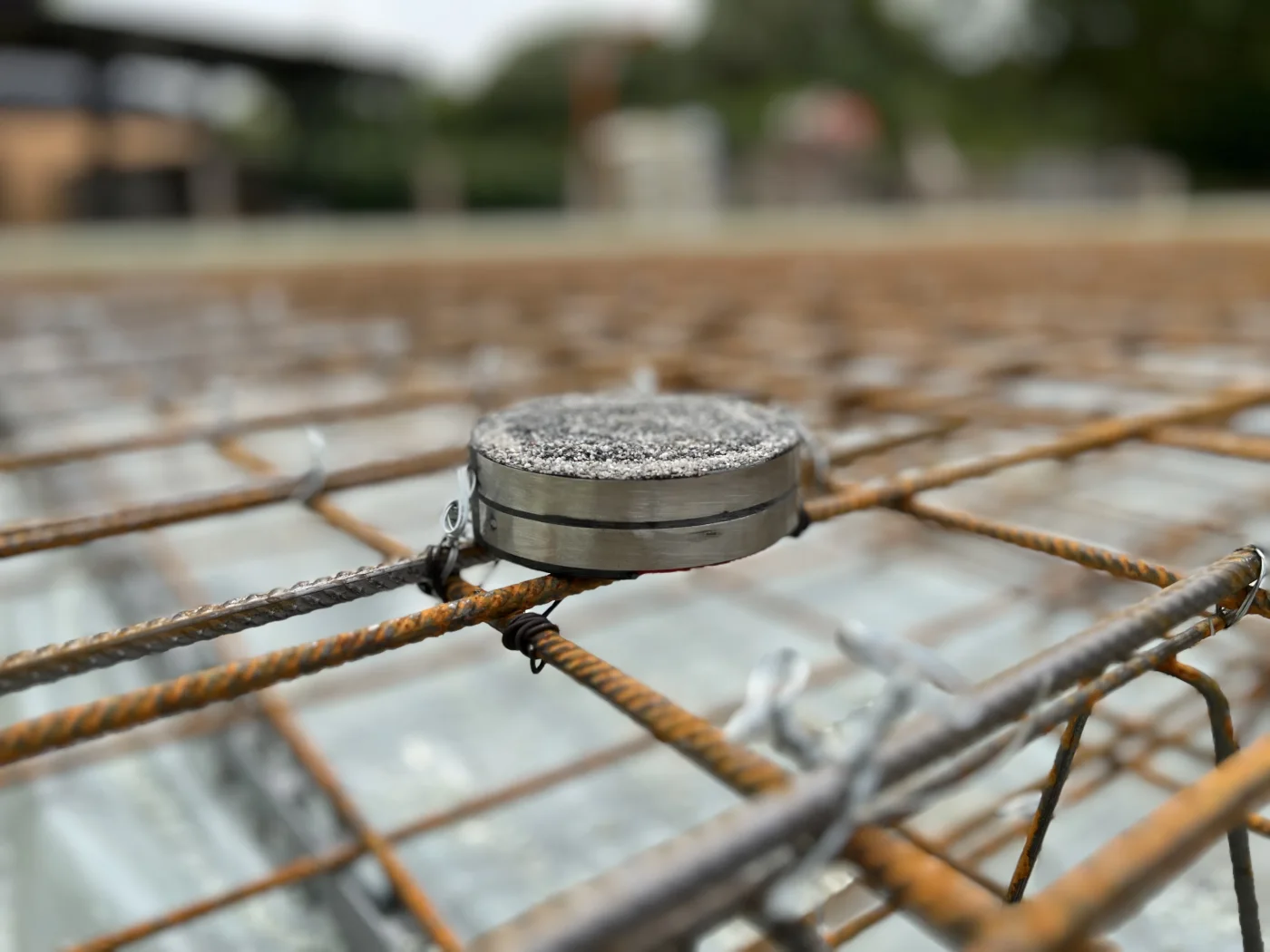
The sensors are read out manually via a handheld reader. Alternatively, fully automatic remote readout is available, so the effort for condition monitoring can be matched to operation. Because the sensors remain permanently in the structure, no recurring retrofit is needed: the condition can be compared at the same measuring points over the entire service life, which makes changes particularly reliable to detect.
Result
Proving build quality, lowering cost
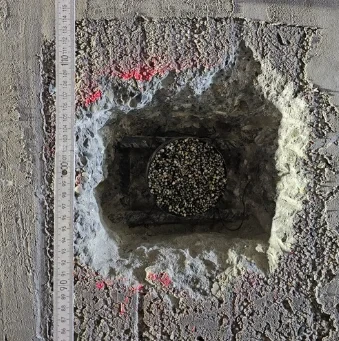
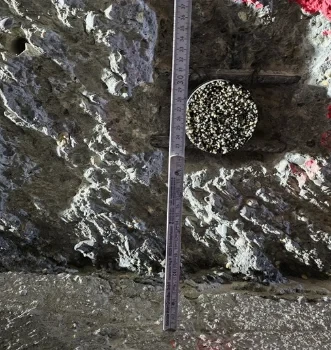
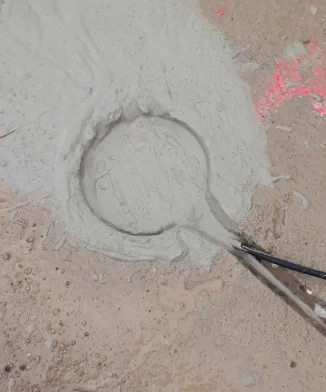
Because installation took place already during the new build, the condition of the multi-storey car park is traceable from the start. CorroDec 2G enables an uncomplicated visualisation of the structure’s condition and provides evidence of build quality that is equally valuable at acceptance and in later operation.
The real benefit shows over the service life. Because moisture and corrosion events are detected early, a later concrete repair can be carried out far more cost-effectively. Instead of blanket rehabilitation, a differentiated response is possible if the surface protection system fails. By querying moisture readings, inspection intervals can be steered deliberately, and closure times for future repairs are shorter. In this way, the investment in the structure is secured on a lasting basis.
This turns provision at the new-build stage into a tangible economic advantage: those who document the condition from the start do not later need to retrofit extensively, and can plan repairs specifically, with shorter closures.
The project shows how concrete monitoring provides for damage already during construction in parking structures. If you are planning a new build or a repair and want to secure the condition of your structure on data from the outset, describe your plans to us through our project inquiry, and we will recommend the right measuring points and suitable sensors.
Specifics
- Specifics
- Built-over underground garage roof, the waterproofing is no longer accessible in operation
- Measuring points
- Drainage low point of the deck, drainage joints of the ramps, columns and heavily used bays
- Readout
- Manual via handheld reader or fully automatic remote readout
- Benefit
- Proof of build quality for VOB acceptance, then specifically steered inspection intervals
Products in use
Sensors installed here
Related solutions & industry
Solutions matching this project
Data platform
All readings on one platform
The sensors transmit their readings wirelessly to the data platform, where they are evaluated, documented and continuously checked against your thresholds.
- AI-assisted data analysis
- User-focused reporting
- Continuous evaluation
- Warning and alarm thresholds
- Alerts by email and text message
- Remote access around the clock
- AI-assisted data analysis Condition within limits
- User-focused reporting Report ready
- Alerting Thresholds monitored
Project inquiry
A comparable structure to monitor?
Describe your structure and your question. We recommend the right measuring points and suitable sensors.
 Roman Koch
More projects
More references in parking structures
Project inquiry
Tell us about your structure
Structure type, location and your question are enough to start. We recommend suitable measuring points and sensors.
+49 6742 8599600 DE +41 41 670 00 11 CH info@infrasolute.com